
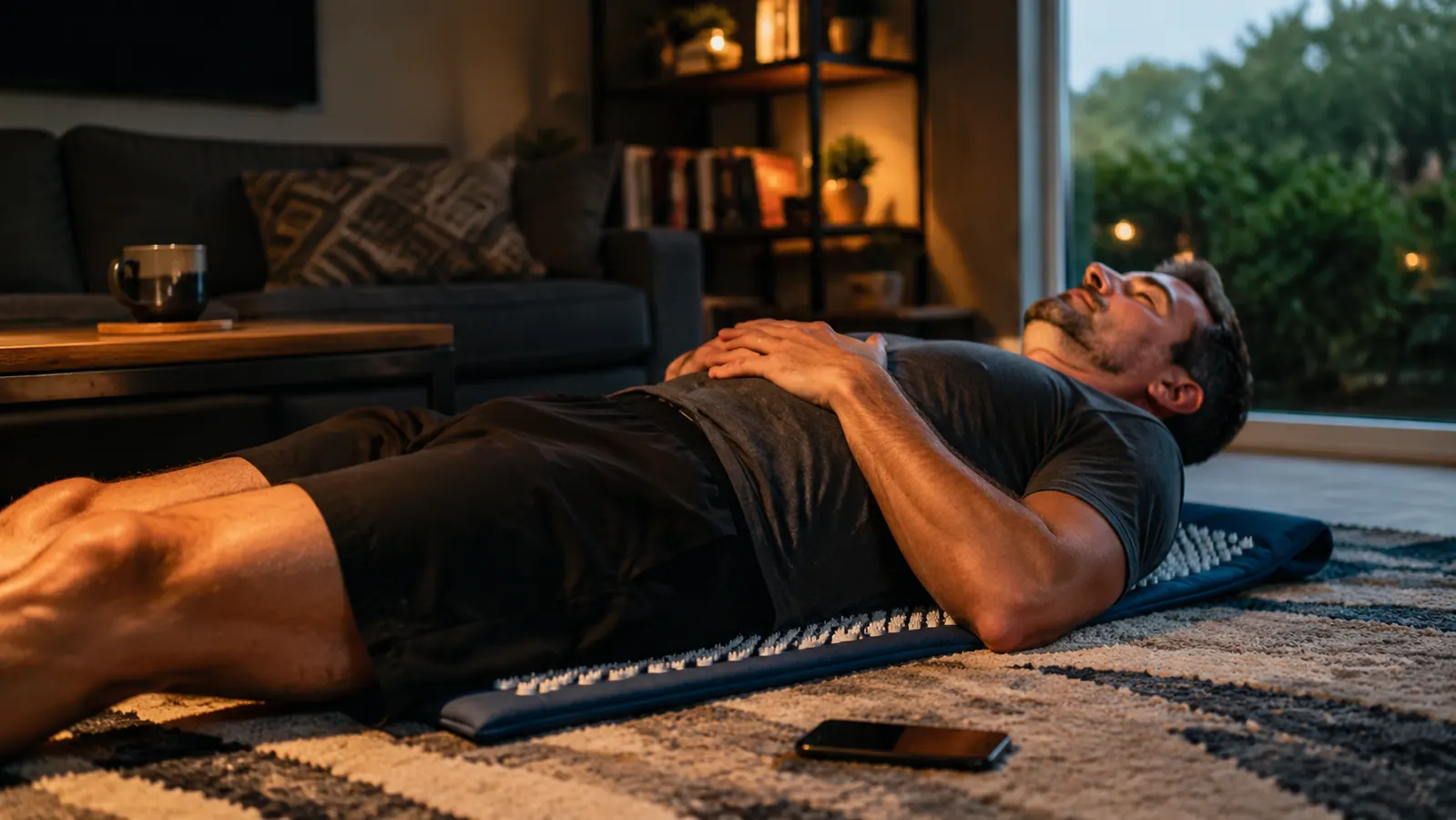
The first time I lay down on the HemingWeigh acupressure mat, I made it four minutes before I sat back up and said something my kids aren't allowed to repeat. That was in January. It's July now, and I'm on the floor with this thing almost every night, usually right after I load the dishwasher and before I let myself scroll anything. I'm Rodney, I'm 44, I lift three days a week and run twice, and my lower back has been the weak link in that setup since a disc flare-up in 2022. This is what six months of nightly spike-mat time actually did, not what the box promised.
I bought the HemingWeigh Acupressure Mat and Pillow Set because a physical therapist mentioned acupressure mats as a cheap way to keep paraspinal muscles from locking up between actual treatment sessions. I wasn't expecting much. A $27 mat covered in 6,210 plastic spikes sounded like something you'd see in a late-night infomercial, not something a PT would casually recommend. Six months later I'm the guy telling other people about it, which is the whole reason I'm writing this down properly. My wife thought I'd lost it the first week. She stopped teasing me around week three, when she noticed I wasn't groaning every time I stood up from the couch anymore.
The Quick Verdict
A genuinely effective, low-cost tension release tool that earns its spot in a nightly routine once you push through the first two weeks of discomfort.
Amazon Check Today's Price →Still Tensing Up Every Time You Sit Back Down at Your Desk?
Twenty minutes on this mat most nights is the closest thing I've found to a reset button for a back that never fully relaxes. See today's price and current availability on Amazon.
Amazon Check Today's Price on Amazon →How I've Used It
My routine settled into something almost boring by month two. I unroll the mat on the living room rug around 8:30 or 9pm, lie flat on my back with the pillow under my neck, and stay there for 15 to 25 minutes while I read or half-watch whatever my wife has on. No shirt on the mat itself, that matters more than I expected, more on that below. Some nights it's after a heavy squat day and my lower back is stiff enough that I actively want the pressure. Other nights it's just part of winding down, the same way some people stretch or foam roll before bed.
I tested it in a few other positions too. Sitting cross-legged with it folded under my glutes for five minutes before a lifting session became a pre-workout habit around month three. I also tried it under my feet while sitting at my desk during a stretch of remote work days, which sounds strange but genuinely helped with the mid-afternoon foot and calf tightness I get from being on concrete floors in the garage gym. Standing on it barefoot for a minute or two between sets during a home workout became another habit I didn't plan on picking up, it wakes up my feet in a way static stretching never quite does.
The pillow gets less daily use than the mat, maybe three nights a week, mostly when my neck is tight from a bad sleeping position or too many hours hunched over a laptop. It's smaller and the spikes are denser, so five minutes under the base of my skull is usually the ceiling before it goes from good pressure to too much. I've also used it wedged between my shoulder blades on nights when my upper back feels tighter than my lower back, which happens more often than I expected once I started paying attention.
The First Two Weeks Are Genuinely Rough
I'm not going to sugarcoat this part because every honest review of an acupressure mat says some version of it, and it's true. The first several sessions hurt in a way that's hard to distinguish from just being poked by 6,210 small plastic spikes, because that's exactly what's happening. My back looked like a checkerboard of small red dots for the first week. I could only manage three or four minutes at a time before the sensation tipped from intense-but-tolerable into actually unpleasant.
What changed it was wearing a thin cotton t-shirt for the first five sessions instead of going bare-skin. That single adjustment turned an experience I dreaded into one I could sit through for a full ten minutes. By day 10 I dropped the shirt and could do bare skin for 15 minutes without flinching. By week three, lying flat on it bare-skinned for 20-plus minutes felt more like a deep, even pressure than anything sharp. Your skin genuinely adapts, but nobody tells you to ease in with a barrier layer, and I think that's why so many people give up on these mats after one bad session and toss them in a closet.
A couple other things that made the adjustment period easier: doing it right after a warm shower, when my muscles were already loose, and easing my full body weight down slowly instead of just flopping onto it. Dropping straight down the way I did the very first night is the fastest way to make yourself hate this product. Lower yourself the way you'd ease into a cold pool, and the whole first two weeks get noticeably more tolerable.
What Six Months of Nightly Use Actually Changed
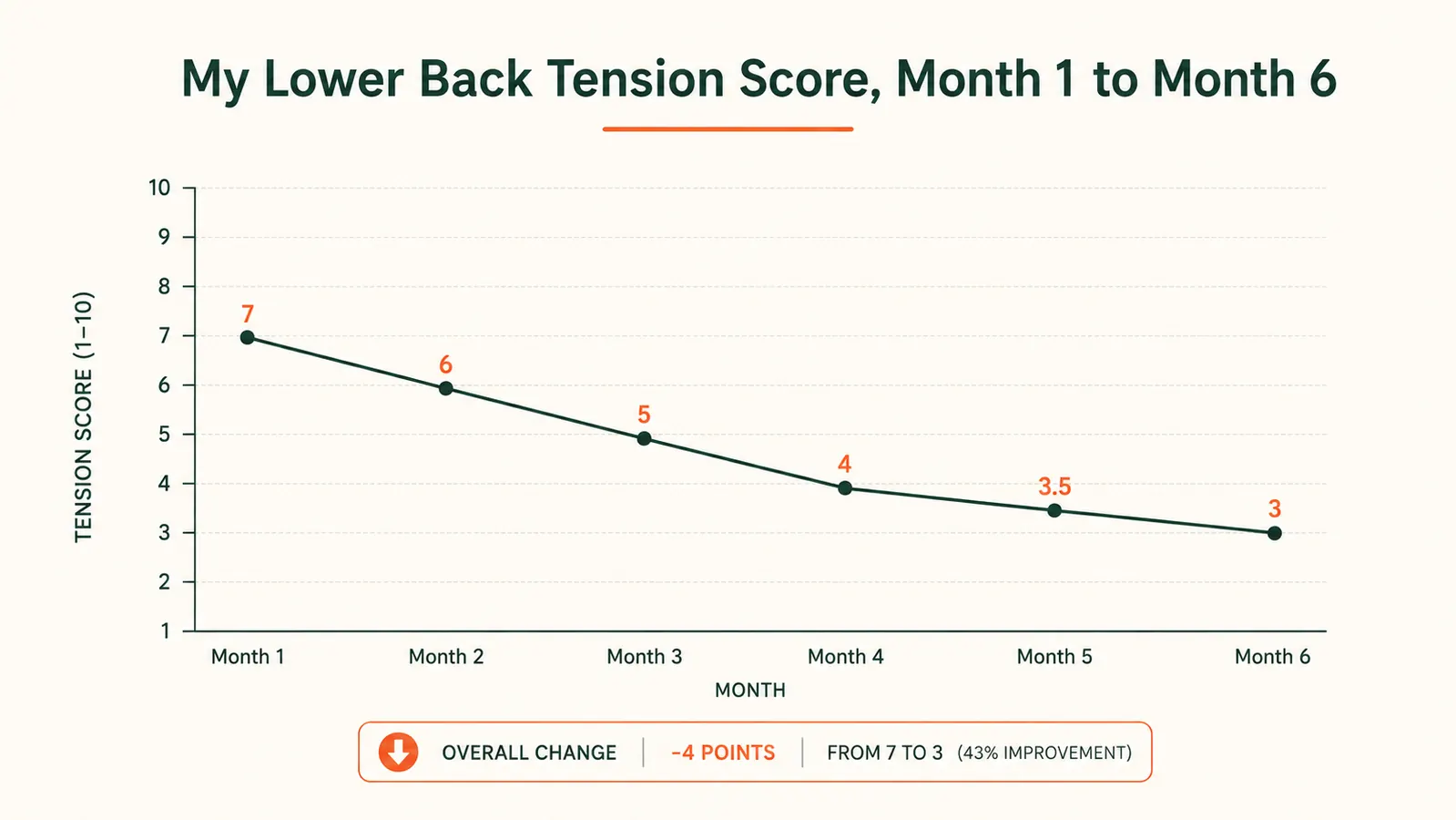
My lower back tension, which I'd rate as a 7 out of 10 most evenings back in January, sits around a 3 most nights now. That's not the mat curing a structural issue, my disc flare-up is a separate conversation with separate treatment, but the muscular guarding around it, the tightness my body builds up as a protective response, is measurably calmer by the time I go to bed. I fall asleep faster on nights I use the mat than nights I skip it, and I've started noticing the difference enough that I built it into my routine deliberately rather than just when my back was bothering me.
The other change I didn't expect was in my shoulders. I carry stress in my traps, always have, and I started resting the mat higher up my back on nights when a desk-heavy work day left my upper back locked up. That wasn't the marketed use case, the mat is sold mainly for back and neck pain relief, but shoulder blade tension responds to it just as well in my experience.
I'll be honest about what didn't change. My actual disc issue, the nerve tingling I sometimes get down my right leg after a long run, is unaffected by the mat. This is a muscle tension and circulation tool, not a substitute for physical therapy or medical treatment for a structural problem. I use it alongside my PT exercises, not instead of them, and anyone reading this with a diagnosed spine condition should treat it the same way. I also haven't noticed any change in the actual tingling itself, which tells me this is doing exactly what a tool like this should do and nothing more, calming surface-level muscle guarding, not fixing what's underneath it.
Build Quality After Six Months of Near-Daily Use
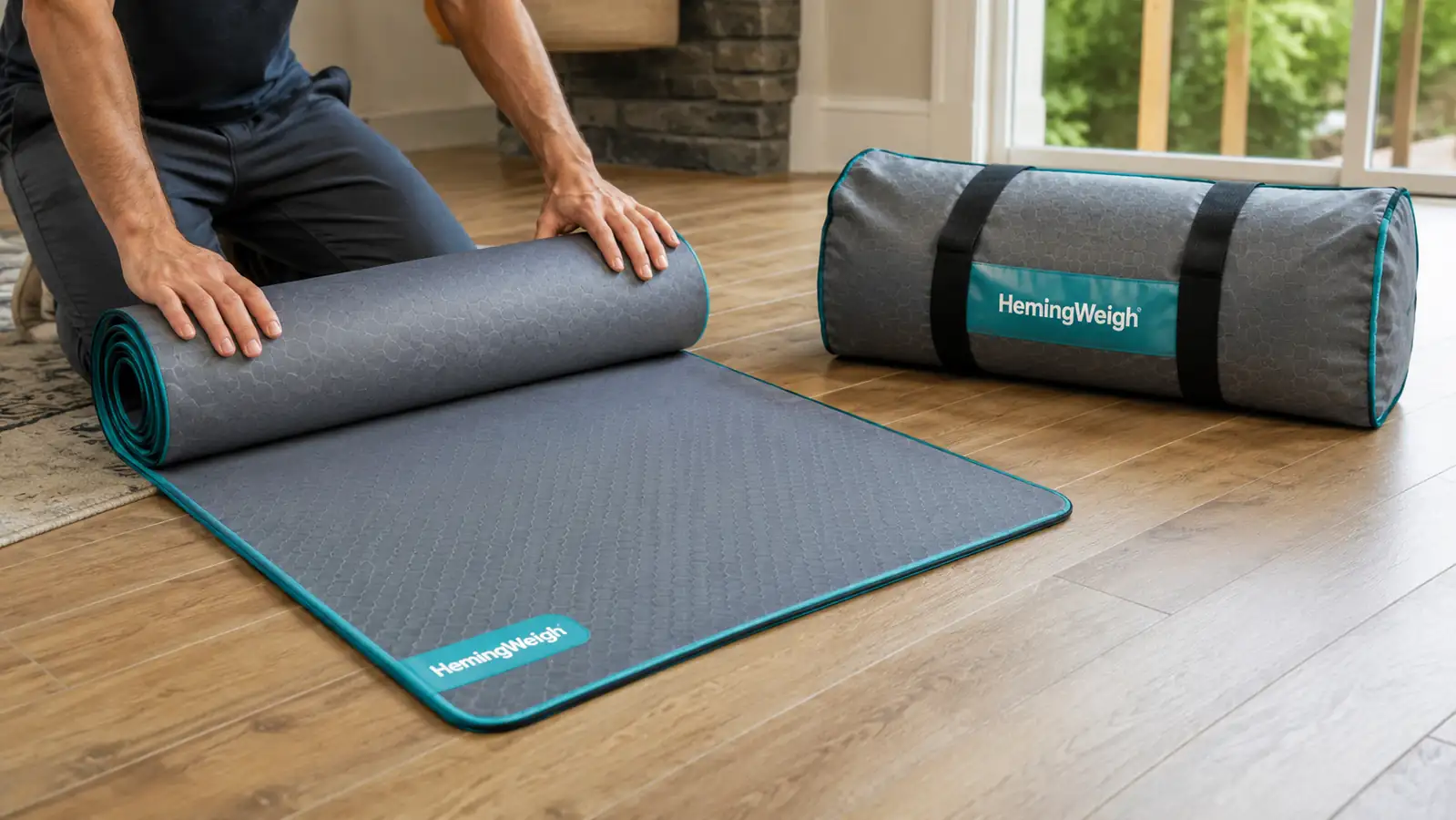
The mat itself has held up better than I expected for something this price. None of the plastic lotus flower discs have cracked or popped off, the foam padding underneath still springs back rather than staying compressed, and the fabric backing hasn't torn at the seams despite getting rolled and unrolled probably 150 times. I store it in the included drawstring bag, which is a small detail but it's kept the mat from collecting dust and pet hair on the shelf between uses.
The pillow is showing slightly more wear. The foam inside has softened a bit compared to when it was new, so the pressure isn't quite as sharp as it was in month one. That's actually fine by me since I use the pillow for a gentler effect than the mat anyway, but if you're hoping for six months of unchanged intensity, temper that expectation a little. I've also washed the fabric cover on the mat twice, both times it went back on without shrinking or losing shape, which I wasn't sure would happen given how thin the material feels out of the box.
Who I've Recommended It To (and Who I Haven't)
I've told three people at my gym about this mat since March. All three fit a similar profile: mid-30s to mid-50s, lifting or running regularly, dealing with the kind of low-grade chronic tension that doesn't require a doctor but does interfere with sleep and workout quality. Two of them bought one. Both reported the same rough first-week adjustment I did, and both are still using it months later. The third decided against it, mostly because he shares a small studio apartment and didn't want to deal with unrolling and re-rolling a floor mat every night, which is a fair reason to pass.
I did not recommend it to my training partner's father, who has a pacemaker, or to my neighbor who's pregnant. Acupressure mats aren't appropriate for everyone, and the product itself carries warnings for pregnancy, pacemakers, blood clotting disorders, open wounds, and skin conditions. If any of that applies to you, this isn't the review that should talk you into buying one, talk to your doctor first.
What I Liked
- Genuinely reduces day-to-day muscle tension when used consistently, not just placebo relief
- Extremely affordable compared to massage guns, compression boots, or professional massage
- Held up well physically after roughly 150 uses, no cracked discs or torn seams
- Doubles for back, neck, shoulders, and even feet depending on how you position it
- Comes with a matching pillow and a storage bag, no separate purchase needed
Where It Falls Short
- The first 1-2 weeks are uncomfortable enough that some people quit before it gets good
- Pillow foam softens noticeably faster than the mat foam
- Not a substitute for treating a real structural issue like a disc injury
- Takes real floor space to unroll, awkward in small apartments
- Not appropriate for pregnancy, pacemakers, or certain skin and clotting conditions
Nobody warns you to wear a t-shirt for the first week. That one tip is the difference between quitting on day two and still using this thing in month six.
How It Compares to the Other Recovery Tools in My Rotation
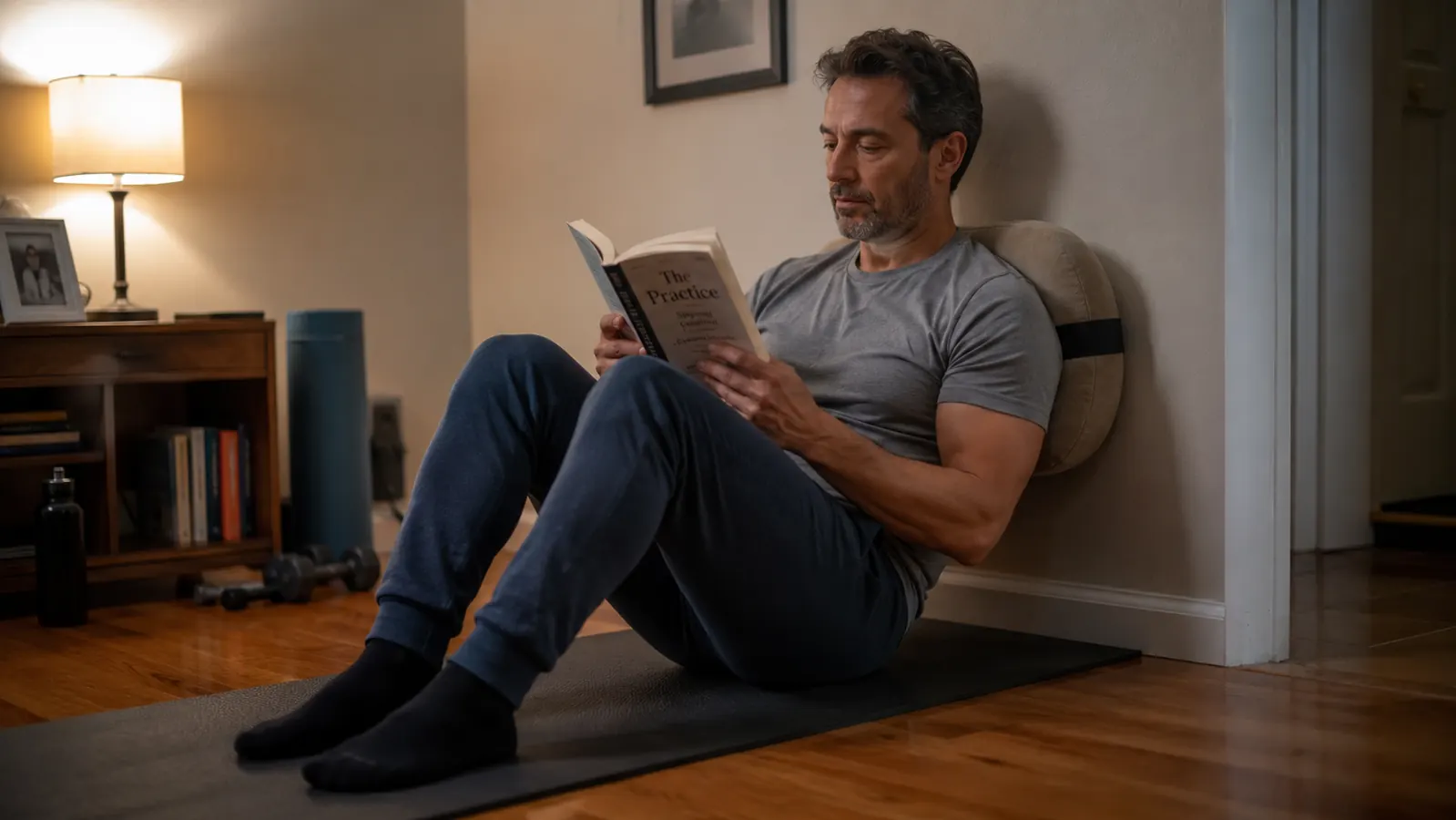
I also run a massage gun most weeks and I've tried compression boots a handful of times. They're not really competing tools, they solve different problems. The massage gun is for a specific tight spot right after a workout, fast and targeted. Compression boots are more of a full-leg circulation reset, best after long runs. The acupressure mat is the one I reach for passively, while I'm doing something else, lying down at the end of the day rather than actively working a muscle. It's the lowest-effort tool in my recovery stack and, oddly, the one I've stuck with most consistently because of that.
If I had to keep only one tool from my current setup for the next year, it honestly might be this mat, purely because of the price-to-consistency ratio. A $60 to $400 device only helps if you actually use it. A $27 mat that I use five or six nights a week beats a fancier tool gathering dust in a drawer. There's also no charging, no battery to check, no attachments to lose, you unroll it and you're using it in ten seconds, which removes almost every excuse I've ever used to skip a recovery habit.
Who This Is For
This mat makes the most sense for people who carry tension in their back, neck, or shoulders from training, desk work, or both, and who are willing to push through an uncomfortable first week or two to get to the payoff. If you already do some form of daily stretching or wind-down routine, this slots in easily. It's also a smart pickup for anyone who wants a recovery tool without a $200-plus price tag attached to it, or who travels enough that a lightweight, rollable mat beats hauling a bulkier device.
Who Should Skip It
Skip this if you have a pacemaker, are pregnant, have a bleeding or clotting disorder, or have open wounds or active skin conditions on your back, the same cautions apply as any acupressure product. It's also not the right tool if you're looking for something that requires zero patience or adjustment period, that first week will test you, and if you're not going to push through it, save your money. And if your back pain is genuinely severe or new, see a doctor before you self-treat with any recovery gadget, mat included.
Six Months In, This Is Still the Cheapest Thing That's Actually Working
If your evenings end with a tight lower back and a phone in your hand instead of a plan, this mat costs less than a single massage and outlasts almost everything else in my recovery drawer. Check today's price on Amazon before you decide.
Amazon Check Today's Price on Amazon →